I’m honored to be hosting this month’s edition of the Jewish Book Carnival, a monthly event where Jewish Bloggers who blog about books can meet, read and comment on each other’s posts.
Jill Broderick shares two reviews of the New American Haggadah, one at Legal Legacy, and one at Rhapsody in Books.
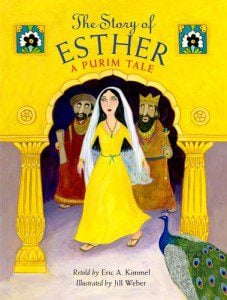
I wrote ab out the same haggadah, and specifically about my interview (and martini!) with Nathan Englander here at Homeshuling. My new monthly children’s book review for the Washington Jewish Week is always in the print edition, and apparently only sometimes in the online editions. Here’s the March review of Purim books.
On My Machberet, Erika Dreifus introduces the latest book from the folks at Smith Magazine (this time with a bit of help from Reboot): Six-Word Memoirs on Jewish Life.
Ann Koffsky blogs about Anna Olswanger’s play inspired by her kids book Shelmiel Crooks, and shares a round up of some of her Pesach art.
Over at The Whole Megillah, there’s an interview with poet Elana Bell, author of the award-winning Eyes, Stones, and a book review of When Jackie Met Hank, a new picture book written by Cathy Goldberg Fishman and illustrated by Mark Elliott (Marshall Cavendish Children’s, 2012)
Check out the Jewish Book Council blog for a National Poetry Month reading list.
Ever wonder why are there so many rabbit hunting scenes in early Haggadot? The Klau Cincinnati Library
explores this question in their latest exhibit.
May your countdown to Shavuot be meaningful!
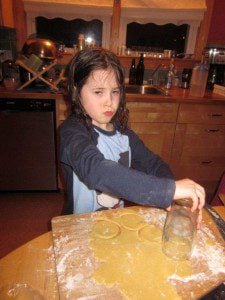
Looking for an easy dessert for seder? Try these jelly-matzoh-thumbprint cookies, which I loved as a kid, and still think are pretty good (for Passover, that is.)
2 eggs
3/4 c. sugar
1 c. cake meal
2 T potato starch
1/2 c. shortening (I’m all about coconut oil for my pareve baking this year.)
jelly
Mix ingredients together. form dough into balls ~1.5 inches diameter. roll in white sugar. press a thumb sized hole into the middle of each cookie and fill with jelly. bake at 375 (preferably on parchment) until done (10-15 minutes?)
They’re not quite as good as these hazelnut thumbrint cookies from Smitten Kitchen, but they are a lot easier, especially if you don’t have a food processor for Passover use. Plus, one of my seder guests is nut free.
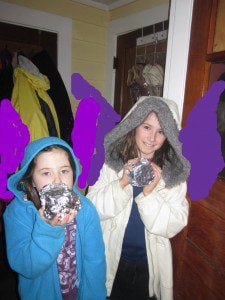
notice the rays of light streaming down from above
I thought this was an old family recipe. And it is, sort of. Our family has been serving it at seder for at least as long as the Israelites wandered in the desert. But it comes from a cookbook – the Molly Goldberg Jewish cookbook - a gem worth buying just for the commentaries on the recipes (“By the end of the evening do you think there’s a drop left? Not one snitch even.”) I’d ask Molly’s permission to reprint the recipe, but I can’t, because she’s a fictional character from an old radio show.
Matzah Charlotte (adapted from the Molly Goldberg Cookbook)
(I’ve doubled the recipe for you because it will be devoured instantly if you don’t)
8 matzohs soaked in water for five minutes and drained/ 6 egg yolks/ 1/2 cup orange juice / 1 tsp salt / 1 1/2 cups sugar / 2 tbs shortening (melted butter, margarine or oil) / 6 egg whites, beaten stiff
Beat yolks, orange juice, salt, sugar and shortening. Mash drained matzah and mix in. Fold in the egg whites.
Grease a 9 x 13 pan, pour in mixture. Bake at 350 until brown around edges and set in the middle.
(I forgot to write down how long I bake it for. Mom, if you read this, can you add the cooking time in the comments???)
One of the greatest privileges of being a kindergarten teacher in a Jewish day school is having the opportunity to teach children to recite the four questions. Unlike almost anything else I teach them about Jewish ritual, this is “real work.” The candles will get blessed, kiddush will be recited, and birkat hamazon chanted with our without them. But children are needed for the Mah Nisthana. It’s their gig, and they know it.
In our school, children have only a modest introduction to spoken Hebrew in the Gan, and do not learn to read and write the alef-bet until first grade. So, figuring out ways to make the Miah Nisthana meaningful to them in Hebrew has presented me with some interesting challenges.
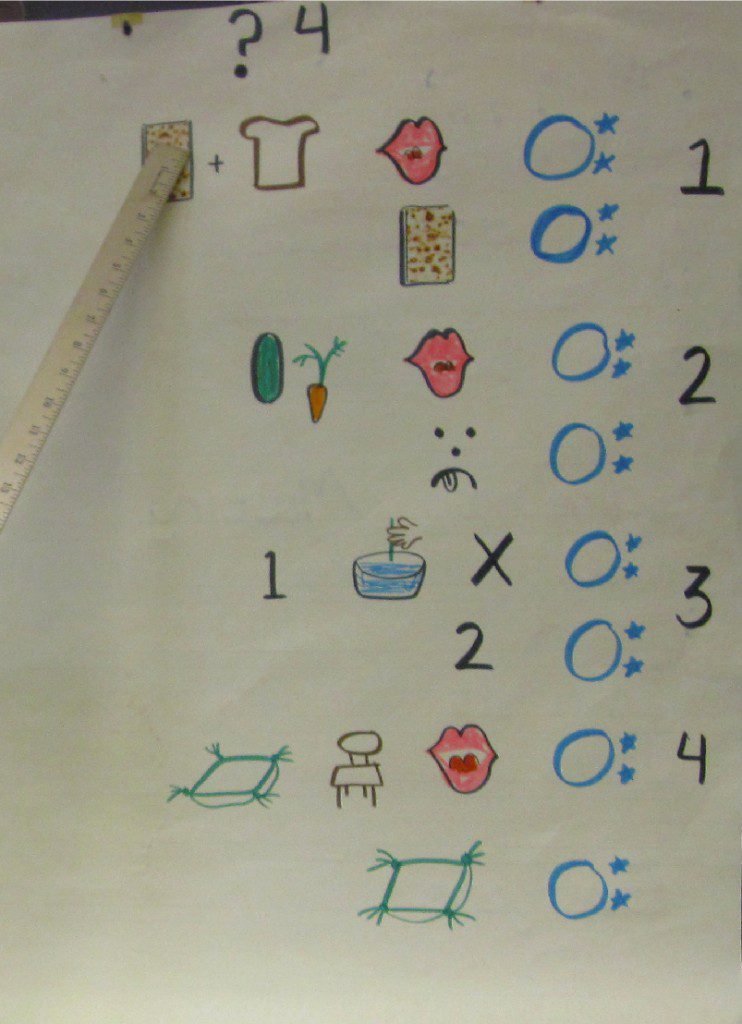
My goals for the Gan are that they feel confident in their recitation; that they have a general sense of what the individual words mean; that they have some kind of written text to help them remember all four questions.
The first goal is accomplished by practice, practice, practice. We practice several times a day starting shortly after Purim. The second goal is accomplished by explaining the questions in English, and then working with the children to come up with hand motions that correspond to the “big ideas.” The last goal is the trickiest – the children don’t read Hebrew, and I wouldn’t give them transliteration even if I thought it would be useful. So, last year a created a picture chart, with symbols for the same big ideas. I wrote the symbols in the Hebrew direction to get them prepared for reading from a real haggadah next year. The week before seder, the children take turns leading and pointing, and a small copy of the chart is included in their Gan haggadah.

An additional goal is for the work of learning the Four questions to be fun. Take a look at a video of my class practicing last week, and let me know how you think I did!

Chag Sameyach v’chasher. We’ll be welcoming a new dog into our home this Passover – check out the Homeshuling facebook page if you’d like to see him.